
How Do Engelberg Aluminium and PVC Systems Differ?
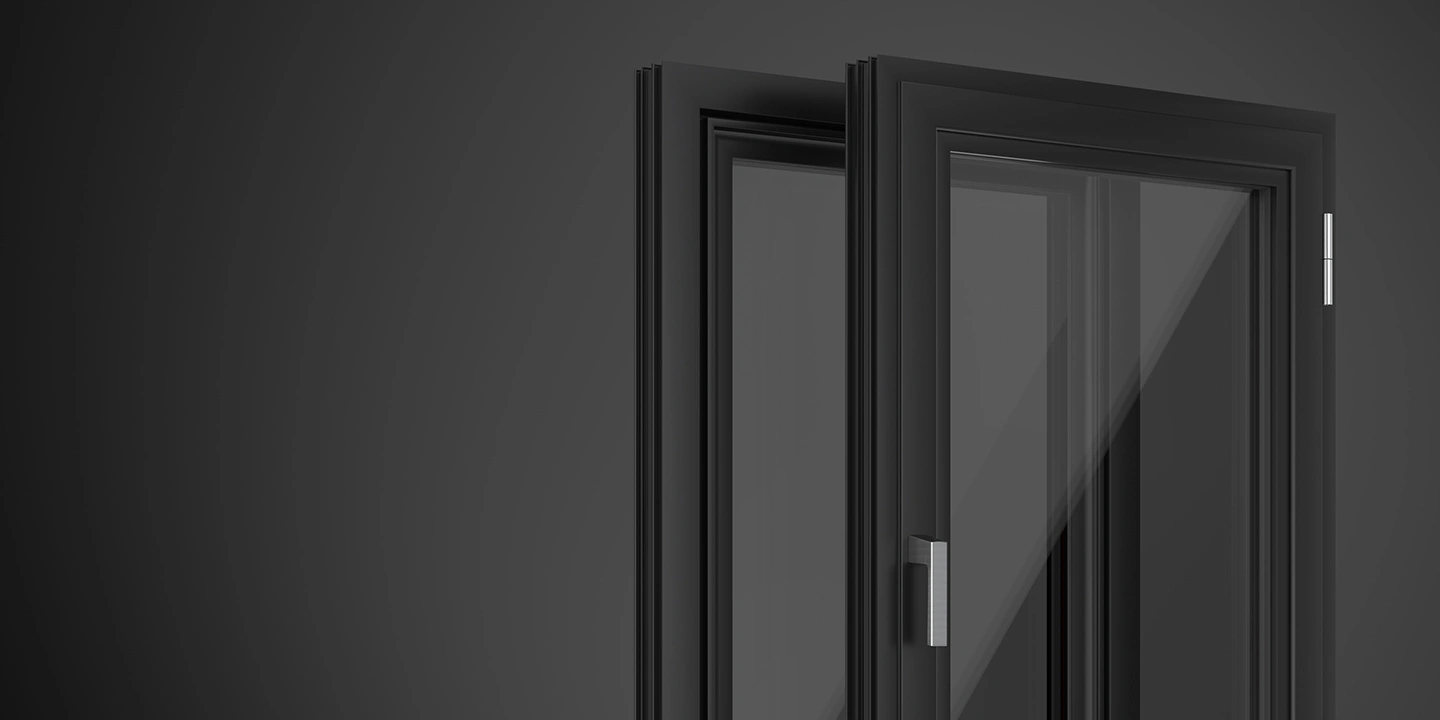
PVC systems are widely used for windows and doors in residential and commercial spaces, while aluminium systems are especially sought after in projects with large structures, panoramic glazing and contemporary architectural solutions.
The main difference lies in the properties of the materials and how the structures can be used. PVC systems are widely used for windows and doors in residential and commercial spaces, while aluminium systems are especially sought after in projects with large structures, panoramic glazing and contemporary architectural solutions.
PVC profiles make it possible to create practical window structures for apartments, private houses, residences and other properties. When selecting a system, the window size, number of chambers, type of insulated glass unit, configuration, hardware and other characteristics are taken into account.
Aluminium systems offer structural capabilities that make them suitable for large windows, doors, sliding structures and architectural glazing. They are particularly relevant for contemporary projects with large glass surfaces and minimalist design.
That said, no single material is universally suited to every property. The choice between PVC and aluminium depends on the specific architecture, the size of the structures, the purpose of the space, project requirements and the desired visual result.
Engelberg specialists can help determine the optimal option based on the property's initial parameters. The result is not simply a choice of profile material, but a comprehensive solution that takes into account glazing, opening type, hardware, finishes and other elements of the design.